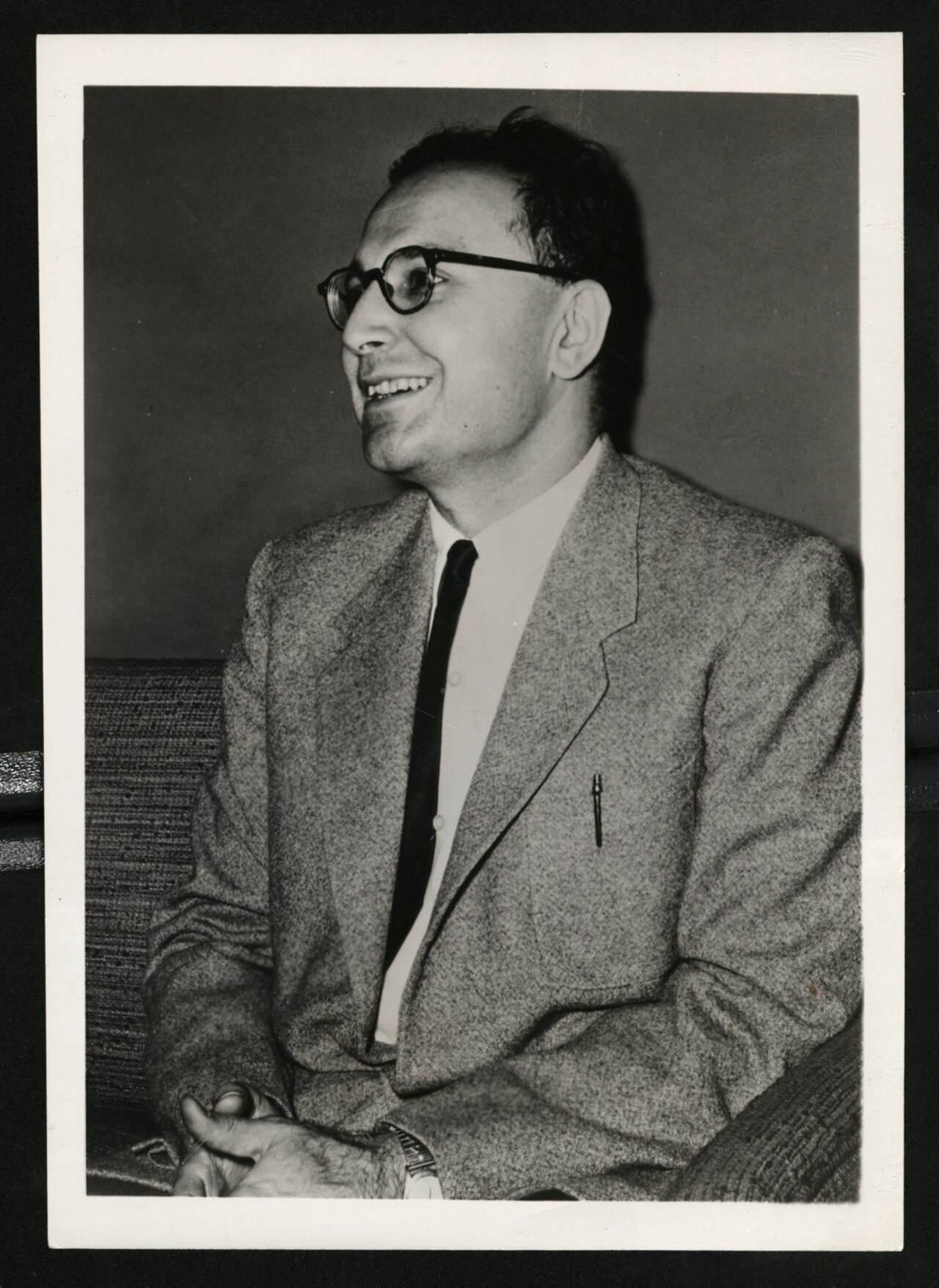
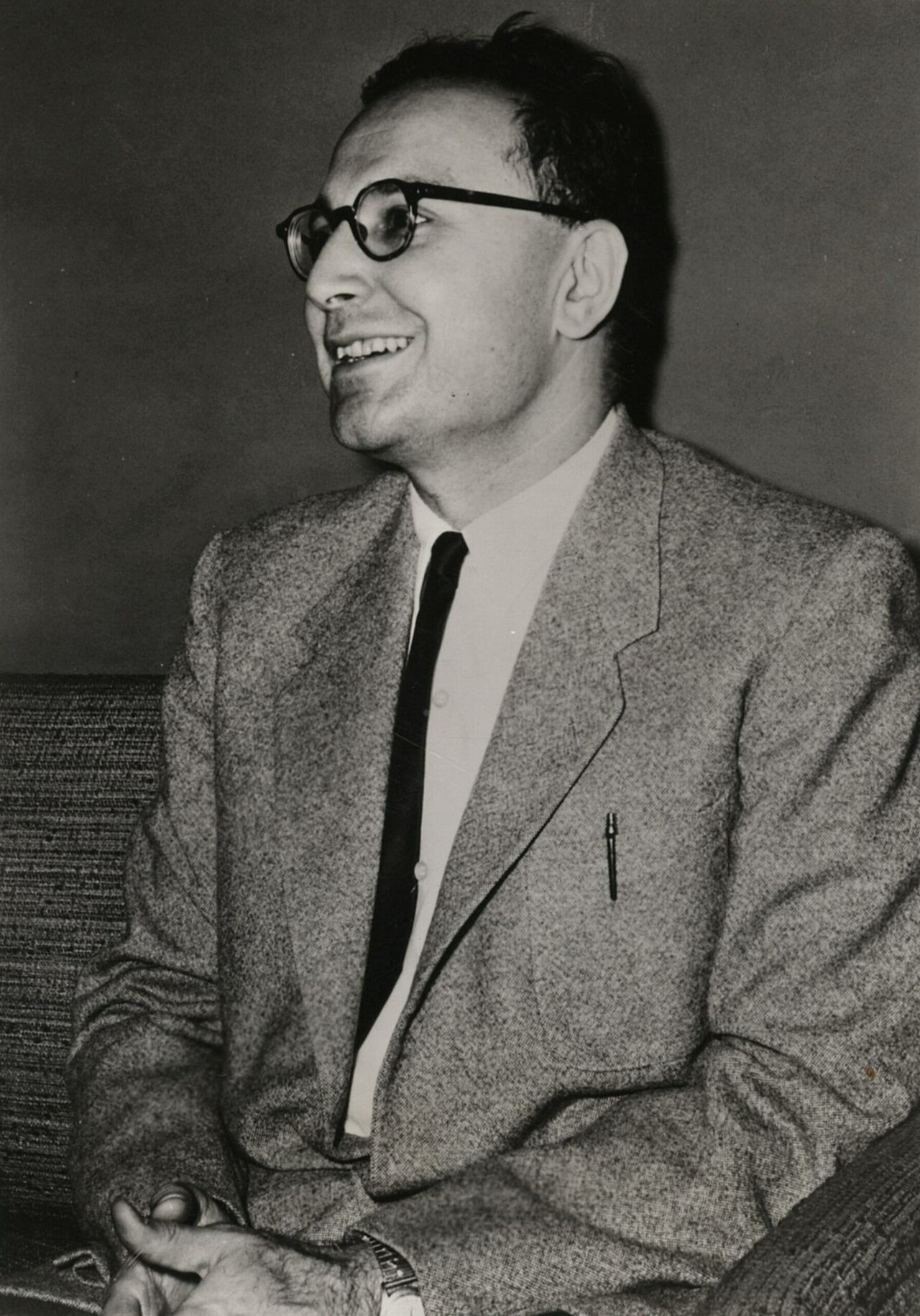
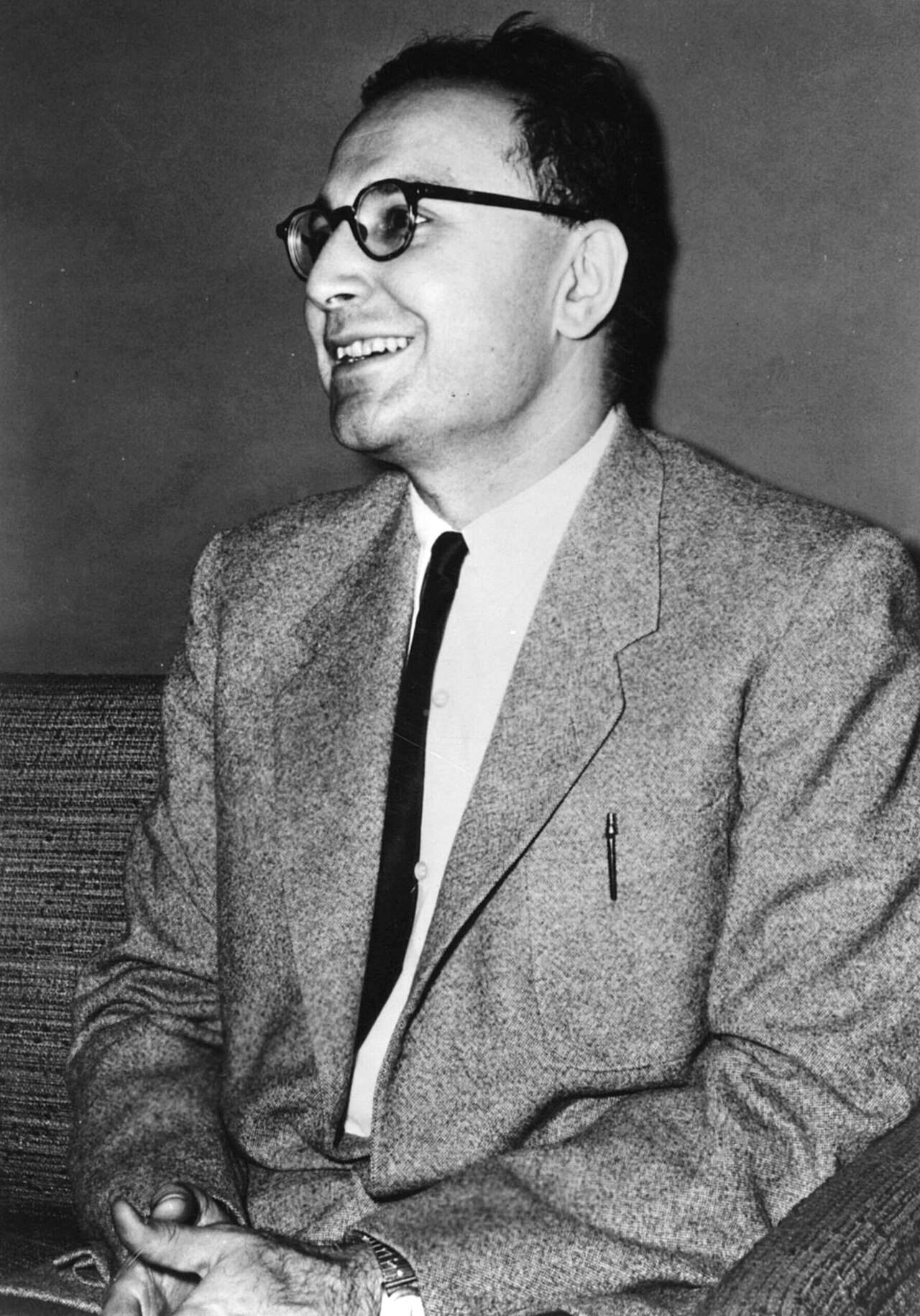
Seymour Martin Lipset
Sociologist and political scientist who theorized democracy and American exceptionalism.
Seymour Martin Lipset (March 18, 1922 – December 31, 2006) was an American scholar who worked across sociology and political science. His research focused on political sociology, labor unions, social class, public opinion, and the sociology of intellectuals. He also studied what makes democracies work, comparing different countries. Lipset led the American Political Science Association from 1979 to 1980 and the American Sociological Association from 1992 to 1993. He started out as a socialist but later shifted rightward, becoming known as an early neoconservative. When he died, *The Guardian* described him as “the leading theorist of democracy and American exceptionalism,” *The New York Times* called him “a pre-eminent sociologist, political scientist and incisive theorist of American uniqueness,” and *The Washington Post* said he was “one of the most influential social scientists of the past half century.”
Lipset was born in Harlem, New York City, to Russian Jewish immigrants. He grew up in the Bronx surrounded by Irish, Italian, and Jewish kids. “I was in that atmosphere where there was a lot of political talk,” he recalled, “but you never heard of Democrats or Republicans; the question was communists, socialists, Trotskyists, or anarchists. It was all sorts of different left wing groups.” As a young man, he joined the Young People’s Socialist League, a group of young Trotskyists that he later led. He attended City College of New York, where he was an anti-Stalinist leftist, and earned his PhD in sociology from Columbia University in 1949. Before that, he taught at the University of Toronto.
Over his career, Lipset held the Caroline S.G. Munro Professorship of Political Science and Sociology at Stanford University, was a senior fellow at the Hoover Institution, and later became the George D. Markham Professor of Government and Sociology at Harvard University. He also taught at Columbia, the University of California, Berkeley, the University of Toronto, and George Mason University, where he was the Hazel Professor of Public Policy. He was elected to the American Academy of Arts and Sciences, the National Academy of Sciences, and the American Philosophical Society. He remains the only person to have served as president of both the American Political Science Association and the American Sociological Association. He also led the International Society of Political Psychology, the Sociological Research Association, the World Association for Public Opinion Research, the Society for Comparative Research, and the Paul F. Lazarsfeld Society in Vienna. He won the MacIver Prize for *Political Man* (1960) and the Gunnar Myrdal Prize for *The Politics of Unreason* (1970). In 2001, Richard Posner’s book *Public Intellectuals: A Study of Decline* ranked Lipset among the top 100 American intellectuals by academic citations.
One of Lipset’s most cited works is the 1959 article “Some Social Requisites of Democracy: Economic Development and Political Legitimacy.” It is a key text in modernization theory and democratization, advancing what is called the Lipset hypothesis: economic development leads to democracy. Lipset argued that “the more well-to-do a nation, the greater the chances that it will sustain democracy.” This idea has shaped academic debates about democratic transitions. Critics include Guillermo O’Donnell, Adam Przeworski, and Daron Acemoglu and James A. Robinson. A central debate is whether democratization is endogenous—driven by a country’s own history, economic growth, and middle-class expansion (as argued by Carles Boix and Susan Stokes)—or exogenous, driven by external forces like global pro-democracy movements. Przeworski and Fernando Limongi suggest that wealth mainly helps democracies survive once established, rather than causing their emergence.
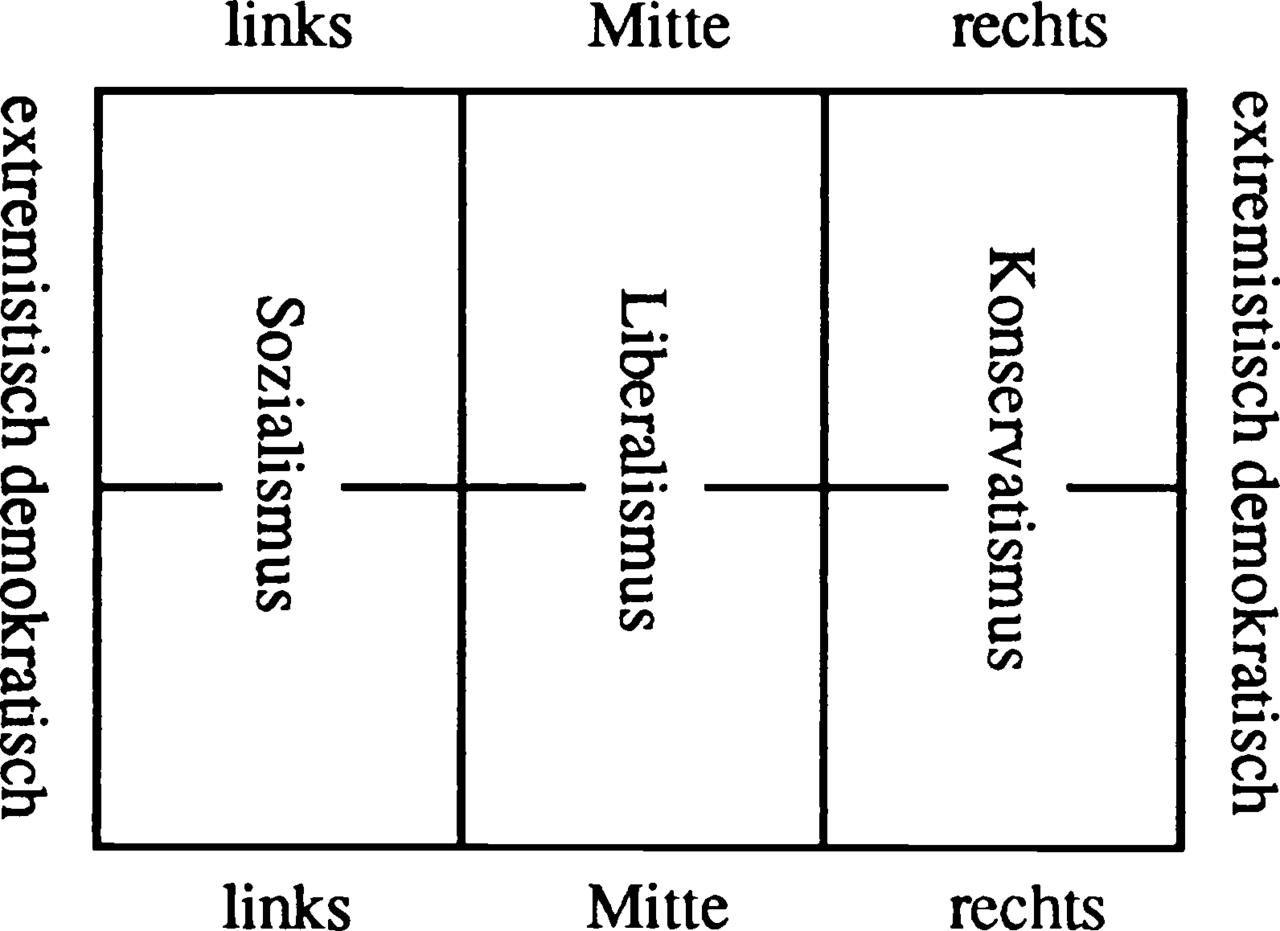
Lipset’s 1960 book *Political Man: The Social Bases of Politics* analyzes the foundations of democracy, fascism, communism (which he linked to “working class authoritarianism”), and other political systems during the interwar period and after World War II. Chapter 2, “Economic Development and Democracy,” is especially important. Larry Diamond and Gary Marks note that Lipset’s claim of a direct link between economic development and democracy has been tested extensively, with strong evidence supporting a causal relationship. In Chapter V, Lipset examined “Fascism”—Left, Right, and Center, arguing that each major social group can produce both democratic and extremist movements.
- born
- March 18, 1922
- died
- December 31, 2006
- field
- Sociology, Political Science
- nationality
- American
- known_for
- Lipset hypothesis linking economic development to democracy; theory of moderniza
Lore & Background
Lipset was born in Harlem, New York City, the son of Russian Jewish immigrants. He grew up in the Bronx among Irish, Italian and Jewish youth. "I was in that atmosphere where there was a lot of political talk," Lipset recalled, "but you never heard of Democrats or Republicans; the question was communists, socialists, Trotskyists, or anarchists. It was all sorts of different left wing groups." From an early age, Seymour was active in the Young People's Socialist League, "an organization of young Trotskyists that he would later head." He graduated from City College of New York, where he was an anti-Stalinist leftist. He received a PhD in sociology from Columbia University in 1949. Before that he taught at the University of Toronto. Lipset was the Caroline S.G. Munro Professor of Political Science and Sociology at Stanford University and a senior fellow at the Hoover Institution and then became the George D. Markham Professor of Government and Sociology at Harvard University. He also taught at Columbia University, the University of California, Berkeley, the University of Toronto, and George Mason University, where he was the Hazel Professor of Public Policy. He was a member of the American Academy of Arts and Sciences, the National Academy of Sciences, and the American Philosophical Society. He was the only person to have been President of both the American Political Science Association (1979–1980) and the American Sociological Association (1992–1993). He also served as the President of the International Society of Political Psychology, the Sociological Research Association, the World Association for Public Opinion Research, the Society for Comparative Research, and the Paul F. Lazarsfeld Society in Vienna. Lipset left the Socialist Party in 1960 and later described himself as a centrist, deeply influenced by Alexis de Tocqueville, George Washington, Aristotle, and Max Weber. He became active within the Democratic Party's conservative wing, and associated with neoconservatives, without calling himself one.
Reader's Guide
One of Lipset's most cited works is "Some Social Requisites of Democracy: Economic Development and Political Legitimacy" (1959), a key work on modernization theory, on democratization, and an article that includes the Lipset hypothesis that economic development leads to democracy. Lipset was one of the first proponents of the theory of modernization, which states that democracy is the direct result of economic growth, and that "[t]he more well-to-do a nation, the greater the chances that it will sustain democracy." The Lipset hypothesis has been challenged by Guillermo O'Donnell, Adam Przeworski and Daron Acemoglu and James A. Robinson. Political Man: The Social Bases of Politics, published in 1960, is an influential analysis of the bases of democracy, fascism, communism ("working class authoritarianism"), and other political organizations, across the world, in the interwar period and after World War II. Political Man was published and republished in several editions, sold more than 400,000 copies and was translated into 20 languages, including: Vietnamese, Bengali, and Serbo-Croatian. In 1967, Lipset co-authored work with Stein Rokkan, introducing critical juncture theory and making substantial contributions to cleavage theory. In The Democratic Century, published in 2004, Lipset sought to explain why North America developed stable democracies and Latin America did not, arguing that the initial patterns of colonization, the subsequent process of economic incorporation of the new colonies, and the wars of independence varied.
Did You Know?
- Lipset was the only person to have been President of both the American Political Science Association (1979–1980) and the American Sociological Association (1992–1993).
- His book Political Man sold more than 400,000 copies and was translated into 20 languages, including Vietnamese, Bengali, and Serbo-Croatian.
- Lipset was active from an early age in the Young People's Socialist League, an organization of young Trotskyists that he would later head.
- At his death, The Guardian called him 'the leading theorist of democracy and American exceptionalism.'
- Lipset left the Socialist Party in 1960 and later described himself as a centrist, deeply influenced by Alexis de Tocqueville, George Washington, Aristotle, and Max Weber.
From Harlem's Political Streets to the Ivory Tower
Seymour Martin Lipset entered the world on March 18, 1922, in Harlem, the child of Russian Jewish immigrants. His formative years in the Bronx placed him amid a vibrant mix of Irish, Italian, and Jewish communities where political discourse was a daily fixture. As he later recalled, the conversations around him never circled around Democrats or Republicans; instead, they revolved around communists, socialists, Trotskyists, and anarchists. This radical milieu shaped his earliest intellectual commitments. From a young age he became active in the Young People's Socialist League, a Trotskyist youth organization that he would eventually lead. His academic path carried him first to City College of New York, where he identified as an anti-Stalinist leftist, and then to Columbia University, where he earned his doctorate in sociology in 1949. Before completing that degree, he had already spent time teaching at the University of Toronto, an early sign of the transatlantic academic career that would follow.
A Career Spanning Institutions and Disciplines
Lipset held some of the most distinguished chairs in American academia. At Stanford he served as the Caroline S.G. Munro Professor of Political Science and Sociology while also occupying a senior fellowship at the Hoover Institution. He later moved to Harvard, where he held the George D. Markham Professorship in Government and Sociology. His teaching portfolio extended to Columbia, the University of California at Berkeley, the University of Toronto, and George Mason University, where he carried the title of Hazel Professor of Public Policy. His institutional recognition was extraordinary: he belonged to the American Academy of Arts and Sciences, the National Academy of Sciences, and the American Philosophical Society. Perhaps most remarkably, he remains the sole individual to have served as president of both the American Political Science Association (1979–1980) and the American Sociological Association (1992–1993). He additionally led the International Society of Political Psychology, the Sociological Research Association, the World Association for Public Opinion Research, the Society for Comparative Research, and the Paul F. Lazarsfeld Society in Vienna. His scholarly honors included the MacIver Prize in 1960 and the Gunnar Myrdal Prize in 1970.
The Lipset Hypothesis and the Architecture of Political Man
In 1959, Lipset published "Some Social Requisites of Democracy," an article that crystallized what scholars now call the Lipset hypothesis: that a nation's economic prosperity is a powerful predictor of its capacity to sustain democratic governance. As one of the earliest architects of modernization theory, he argued that wealth and political freedom travel together, a claim that has remained central to debates over democratic transitions. Scholars such as Guillermo O'Donnell, Adam Przeworski, Daron Acemoglu, and James A. Robinson have since challenged or refined his thesis, while others like Carles Boix and Susan Stokes have defended the endogenous, development-driven pathway he emphasized. His 1960 book Political Man: The Social Bases of Politics expanded the scope dramatically, examining the social roots of democracy, fascism, and working-class authoritarianism across the interwar and postwar eras. He insisted that every major social stratum produces both democratic and extremist political expressions, pushing back against the habit of labeling extremism as exclusively right-wing. The book sold over four hundred thousand copies and was rendered into twenty languages, including Vietnamese, Bengali, and Serbo-Croatian.
From Trotskyist Youth to Neoconservative Theorist
The arc of Lipset's political identity is one of the most striking features of his biography. The boy who led a Trotskyist youth league in the Bronx ultimately drifted toward the political right, and by the time of his death on December 31, 2006, he was widely regarded as one of the founding figures of American neoconservatism. His intellectual range, however, never narrowed: he wrote across political sociology, trade union organization, social stratification, public opinion research, and the sociology of intellectual life, always with a comparative eye toward the conditions that make democracy possible. The obituaries that followed his passing captured the breadth of his influence. The Guardian identified him as the foremost theorist working on democracy and the idea of American exceptionalism; the New York Times praised him as a pre-eminent social scientist and a sharp theorist of what makes the United States unique; the Washington Post counted him among the most consequential social scientists of the previous fifty years. In 2001, Richard Posner had already placed him among the top one hundred American intellectuals by academic citation count in his study Public Intellectuals: A Study of Decline, a testament to the enduring reach of his ideas.
Gallery
More in Political And Social Theorists 1-24
Spotted an error? Know more?
This is a living reference — every entry is fact-audited, and reader corrections feed straight into our audit queue. Suggest an edit · See this site's audit record