
Frances Fox Piven
Professor, activist, and co-author of the Cloward–Piven strategy.

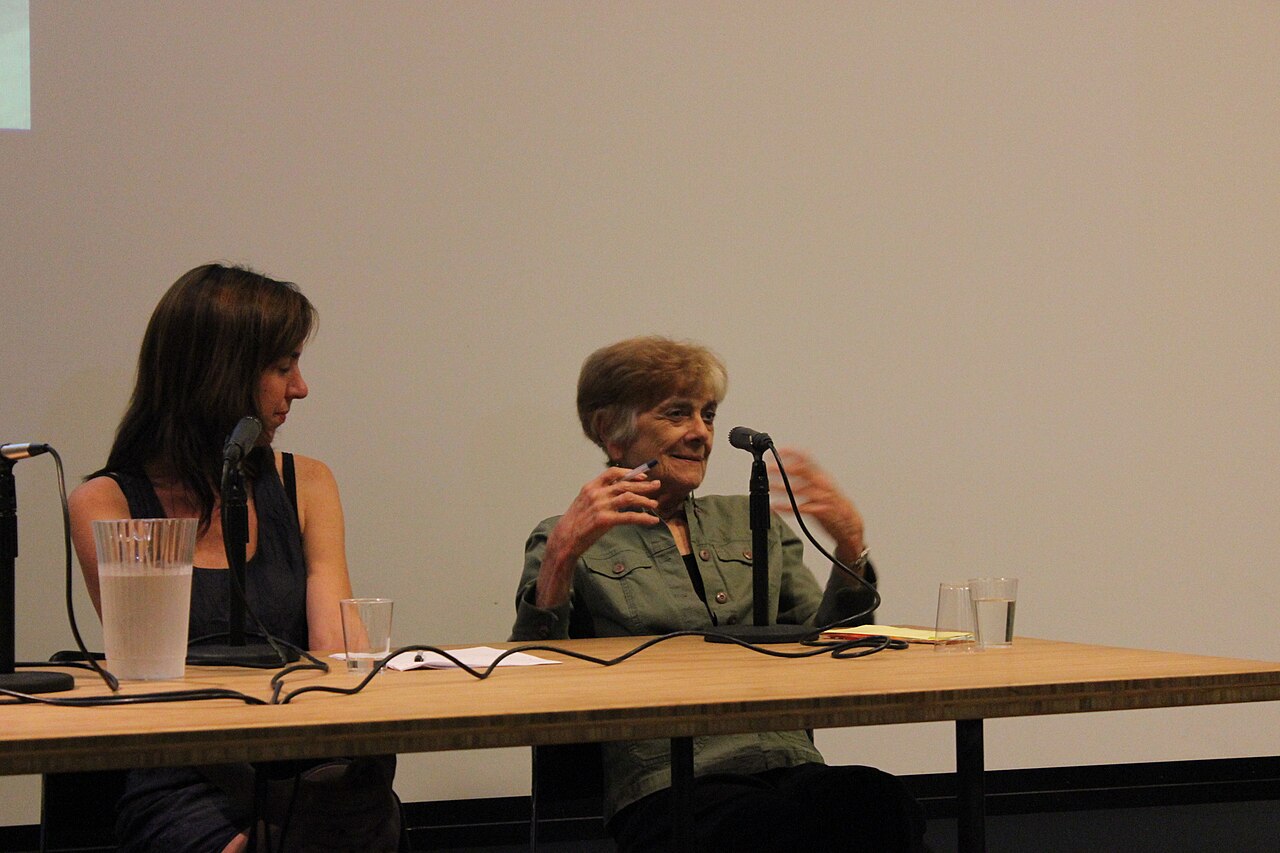
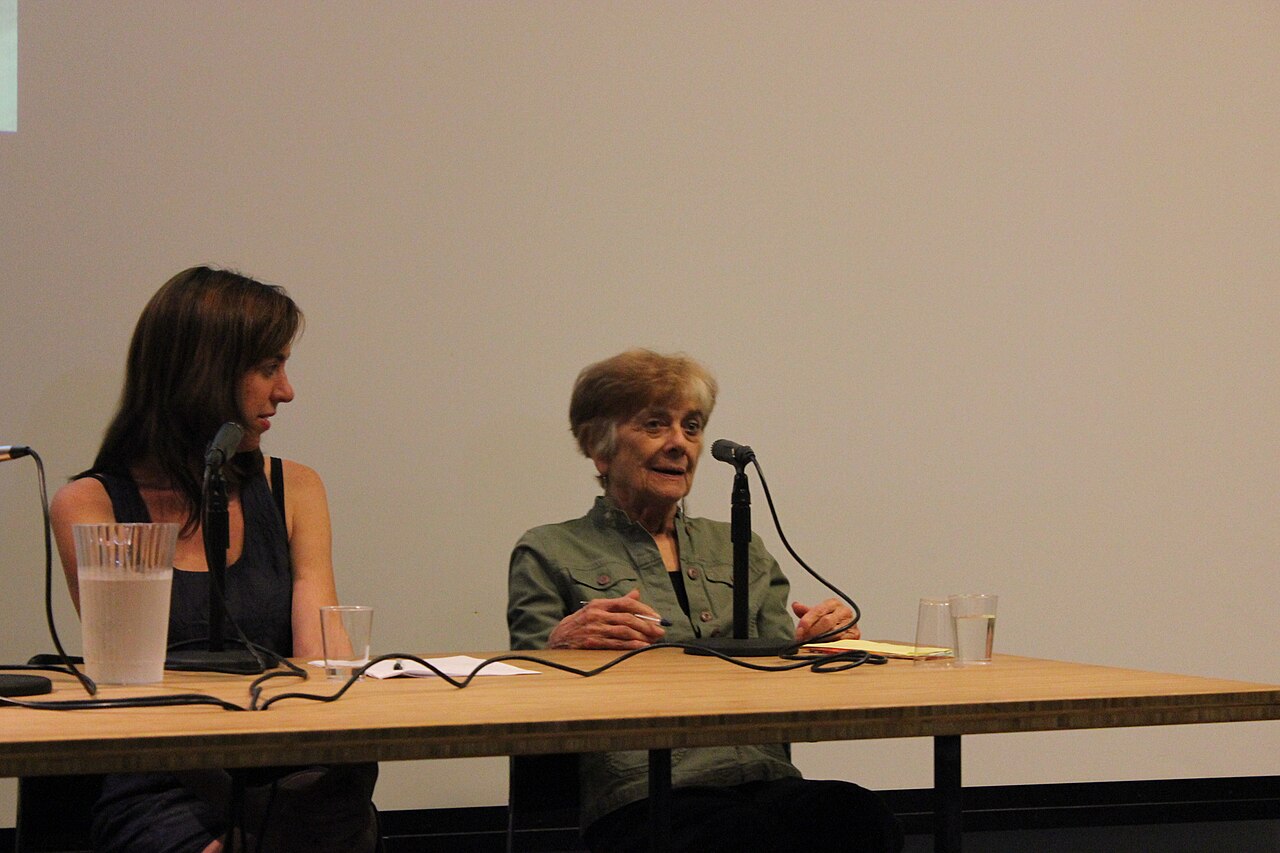
Columbia GSAPP · CC BY 2.0
She is known equally for her contributions to social theory and for her social activism, particularly as a public advocate of the War on Poverty and subsequent welfare-rights protests. Over her career, she has served on the boards of the ACLU and the Democratic Socialists of America and held offices in professional associations including the American Political Science Association.
Lore & Background
Piven was born in Calgary, Alberta, Canada, to Russian-Jewish parents who emigrated from a shtetl near Minsk. Her family moved to the United States when she was one, and she became a naturalized U.S. She grew up in Jackson Heights, Queens, and exhibited early rebelliousness, refusing to say the Pledge of Allegiance in elementary school because she considered herself Canadian. She attended the University of Chicago on scholarship, earning degrees in Sociology (or Social Science) and a Ph.D. directed by Philip Hauser. Five' who refused to cross a picket line during a strike, leading to a threat of dismissal by President John Silber, who later backed down. She is a member and honorary chair of the Democratic Socialists of America.
Reader's Guide
Frances Fox Piven's significance lies in her dual role as a scholar and activist, shaping both academic understanding of social movements and practical strategies for political change. Her collaboration with Richard Cloward produced influential works such as Regulating the Poor and Poor People's Movements, which analyze how welfare policy and disruptive protests interact to produce reform. The Cloward–Piven strategy, though controversial, directly influenced welfare-rights organizing in the 1960s and remains a touchstone in discussions of social policy. Piven's career reflects a sustained commitment to using academic expertise to support grassroots movements, and her writings continue to inform debates on inequality, democracy, and the role of the state. Her honors, including the American Sociological Association's Career Award and the Bronislaw Malinowski Award, underscore her impact across disciplines.
Did You Know?
- Piven refused to say the Pledge of Allegiance in elementary school, stating she could only pledge allegiance to the Maple Leaf because she was Canadian.
- Her doctoral dissertation at the University of Chicago was directed by Philip Hauser.
A Voice in the Study of Contentious Politics
Frances Fox Piven, an American sociologist born in 1932, occupies a recognized position among the prominent scholars who have shaped the academic study of contentious politics. This field examines the full spectrum of disruptive techniques that actors deploy to press political claims or push governments toward policy change. The techniques in question range from demonstrations and general strike action to direct action, civil disobedience, and even revolution or insurrection. Social movements frequently draw on these forms of contention to advance their causes. Piven's place in this scholarly community reflects a tradition of inquiry that, until its consolidation in the 1990s and beyond, had been scattered across separate subfields focused on social movements, labor strikes, and revolutionary upheaval. Her work sits within this broader effort to understand how ordinary people and organized groups challenge the structures of power through means that deliberately disrupt the normal rhythms of society.
Collaborative Scholarship with Richard Cloward
One of Piven's most identifiable contributions to the literature on contentious politics is her partnership with Richard A. Cloward, an American sociologist and activist who lived from 1926 to 2001. Together they produced Poor People's Movements: Why They Succeed, How They Fail, published by Vintage Books in New York in 1979. The title itself signals a central concern of the contentious politics tradition: understanding the conditions under which collective disruption either achieves its political aims or falls short. By focusing specifically on movements of the poor, the book addresses a segment of contentious action that has historically received less attention than labor strikes or revolutionary upheavals. The work fits naturally alongside other foundational texts in the field, such as William Gamson's The Strategy of Social Protest and Sidney Tarrow's Power in Movement, all of which seek to explain the logic and outcomes of disruptive political engagement. Piven and Cloward's collaboration stands as a concrete example of how two scholars with complementary perspectives can produce a sustained analytical account of one particular form of social contention.
Among the Field's Leading Thinkers
Piven is named alongside a broad constellation of scholars who have advanced the study of contentious politics, a community that spans multiple national traditions and disciplinary boundaries. Fellow prominent figures include Sidney Tarrow, Charles Tilly, and Doug McAdam, the three Americans most associated with consolidating the field into a coherent research agenda during the 1990s and into the twenty-first century. The list also encompasses Theda Skocpol, William Gamson, James Jasper, Donatella della Porta, David A. Snow, Erica Chenoweth, Gene Sharp, Zeynep Tufekci, Deborah Yashar, and many others. What unites this diverse group is a shared commitment to explaining contentious phenomena—social movements, strikes, revolutions—within a single analytical framework rather than treating each as an isolated puzzle. Piven's inclusion among these names underscores that her scholarship is regarded as part of this integrated intellectual project, one that seeks to move beyond the earlier fragmentation in which separate traditions each addressed only one slice of the contentious political landscape.
The Intellectual Terrain She Inhabits
The body of work in which Piven participates rests on a set of conceptual boundaries that distinguish contentious politics from adjacent forms of political behavior. The field explicitly sets itself apart from the quotidian, small-scale resistance practices that James C. Scott examined, from interstate warfare, and from contention conducted entirely within institutional channels such as elections or competitive sports. Charles Tilly offered a working definition centered on interactions where one party presses demands that affect another's interests, with governments cast as targets, claim-makers, or neutral third parties. Tilly also argued that the character of contentious politics shifted markedly with the emergence of social movements in eighteenth-century Europe, even though the underlying impulse has existed throughout human history. The field is sustained by dedicated academic journals, including Mobilization: The International Quarterly Review of Social Movement Research, Social Movement Studies, and Contention: The Multidisciplinary Journal of Social Protest, all of which provide venues for the kind of scholarship Piven has contributed to.
Gallery

Frequently Asked Questions
What is Frances Fox Piven's most famous work?
She is best known for co-authoring the Cloward–Piven strategy with Richard Cloward, a tactical plan that proposed flooding welfare offices with applications to force governments to expand social safety-net programs.
What organizations has Frances Fox Piven been involved with?
She has served on the boards of both the ACLU and the Democratic Socialists of America, and she has held leadership roles in professional bodies such as the American Political Science Association.
Why is Frances Fox Piven important to fans of political theory?
She is celebrated for demonstrating that rigorous social theory and direct political activism can coexist in one career, particularly through her advocacy of the War on Poverty and welfare-rights organizing.
More in Political And Social Theorists 1-24
Elsewhere in the Political And Social Theorists universe
Spotted an error? Know more?
This is a living reference — every entry is fact-audited, and reader corrections feed straight into our audit queue. Suggest an edit · See this site's audit record