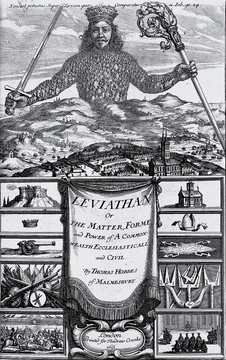
Pitirim Sorokin
Russian American sociologist and theorist of social cycles.

Unknown author · Public domain
Pitirim Alexandrovich Sorokin was a Russian American sociologist and political activist, who contributed to the social cycle theory. He was a professor at Saint Petersburg Imperial University, three times imprisoned by the Czarist regime for "revolutionary activity." His active opposition to the Bolsheviks led, after they were in power, to his arrest and sentence to death. Only with the help and intervention of friends, including Thomas Masaryk and Edouard Beneš, was his sentence commuted to permanent exile, which led Sorokin to flee to Czechoslovakia. Moving to the United States, he became a professor of sociology at the University of Minnesota in 1924, and, in 1930, he was hired as head of the newly formed department of sociology at Harvard University.
- born
- 4 February [O.S. 23 January] 1889
- died
- 10 February 1968
- field
- Sociology
- nationality
- Russian American
- known_for
- Social cycle theory, Social and Cultural Dynamics, critique of Sensate culture
Verified Timeline
Lore & Background
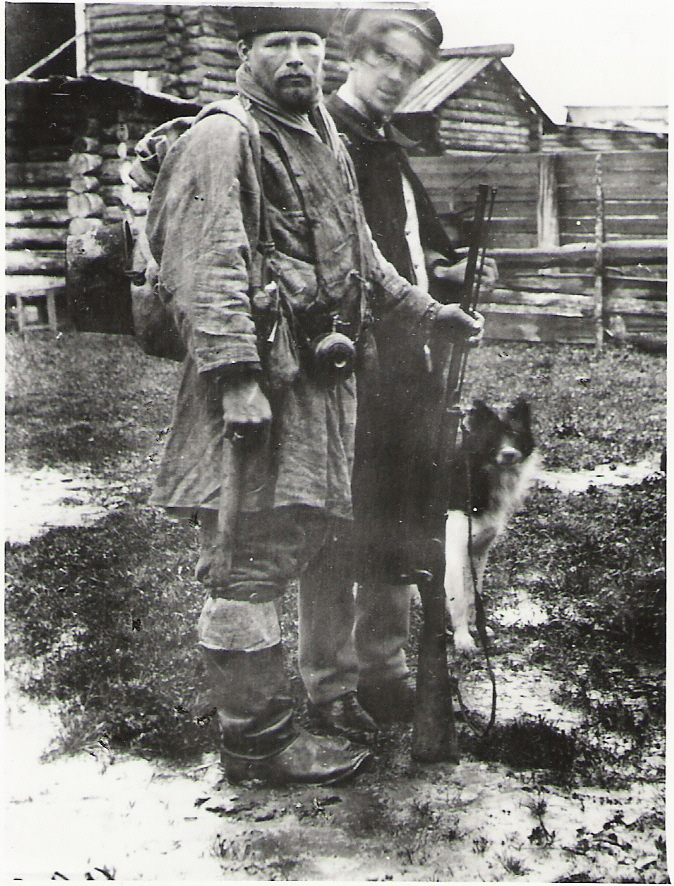
Sorokin was born on 4 February [O.S. 23 January] 1889, in Turya, a small village in Yarensky Uyezd, Vologda Governorate, Russian Empire, the second son to a Russian father and Komi mother. His father, Alexander Prokopievich Sorokin, was a traveling craftsman specializing in gold and silver. His mother, Pelageya Vasilievna, was a native of Zheshart and belonged to a peasant family. She died on March 7, 1894. After her death, Sorokin and his elder brother Vasily stayed with their father, traveling with him through towns searching for work. His father developed alcoholism and became physically abusive; after a brutal beating that left a scar on Sorokin's upper lip, at age eleven he and his brother decided to be independent. Sorokin was anti-Czarist, arrested at age 17, and arrested twice more for his anti-Czarist activities. In the early 1900s, supporting himself as an artisan and clerk, he attended Saint Petersburg Imperial University, earning his graduate degree in criminology and becoming a professor. During the Russian Revolution he was a member of the Socialist Revolutionary Party, a deputy of the Russian Constituent Assembly, a supporter of the White movement, and a secretary to Prime Minister Alexander Kerensky. After the October Revolution, he continued to fight communist leaders and was arrested several times before being condemned to death. After six weeks in prison, he was released and went back to teaching at the University of Saint Petersburg, becoming the founder of the sociology department. Accounts of his activities in 1922 differ; he may have been arrested and exiled by the Soviet government, or spent months in hiding before escaping. After leaving Russia, he emigrated to the United States, becoming a naturalized citizen in 1930. Sorokin was personally requested to accept a Harvard University position, founding the Department of Sociology and becoming a vocal critic of his colleague, Talcott Parsons.
Reader's Guide
Sorokin's academic writings are extensive; he wrote 37 books and more than 400 articles. His controversial theories of social process and the historical typology of cultures are expounded in Social and Cultural Dynamics (4 vol., 1937–41; rev. and abridged ed. 1957). He believed that altruism had a lot of scientific support. After going to Harvard in 1930, he began his famous study of world civilization which led to Social and Cultural Dynamics. This work set the tone for the condemnation of modern society's Sensate culture, prominent in all his writings since 1937. His extensive study convinced him that our civilization is overly materialistic, disorganized, and in imminent danger of collapse. Hornell Hart criticized Sorokin's statistical analysis in Social and Cultural Dynamics. One of his works, Russia and the United States (1944), is considered wartime propaganda for the peace. He was one of the signatories of the agreement to convene a convention for drafting a world constitution. As a result, for the first time in human history, a World Constituent Assembly convened to draft and adopt the Constitution for the Federation of Earth. His work addressed three significant theories: social differentiation, social stratification, and social conflict.
Did You Know?
- Sorokin was three times imprisoned by the Czarist regime for 'revolutionary activity.'
- His death sentence was commuted to permanent exile only through the intervention of Thomas Masaryk and Edouard Beneš.
- He was a secretary to Prime Minister Alexander Kerensky during the Russian Revolution.
- Sorokin wrote 37 books and more than 400 articles.
- He was one of the signatories of the agreement to convene a convention for drafting a world constitution.
A Childhood Forged by Loss and Faith
Born in the small village of Turya in the Vologda Governorate in 1889, Pitirim Sorokin grew up in a household shaped by two distinct cultural worlds. His father, Alexander, was a Russian itinerant craftsman working in gold and silver, while his mother, Pelageya, came from a Komi peasant family in Zheshart. The loss of his mother in 1894 forced young Pitirim and his elder brother Vasily to follow their father from town to town in search of work, a nomadic childhood that left a lasting imprint. The household was further destabilized by his father's alcoholism, which brought anxiety, panic, and physical violence. A brutal beating that left a permanent scar on Pitirim's upper lip became the breaking point: at eleven, he and his brother resolved to break free from their father's care. Despite the hardship, Sorokin's childhood among the Komi people provided a deep religious and moral education. The piety, conviction in goodness, and love instilled during those years would later surface in his academic work, particularly in his amitology and his broader call to address the spiritual crisis of modernity.
Defying Two Regimes: A Life of Political Peril
Sorokin's political life was marked by relentless opposition to every regime that seized power in Russia. As a young man at Saint Petersburg Imperial University, he was arrested three separate times by Czarist authorities for revolutionary activity. When the Bolsheviks took control after the October Revolution of 1917, Sorokin found himself squarely on the opposing side. He had served as a member of the Socialist Revolutionary Party, a deputy in the Russian Constituent Assembly, a supporter of the White movement, and even a secretary to Prime Minister Alexander Kerensky. His unyielding anti-communism—describing the ideology as a pest of humanity—made him a target of Lenin's forces. He was arrested multiple times by the new Soviet regime and ultimately sentenced to death. His survival owed much to the intervention of friends, including Thomas Masaryk and Edouard Beneš, who secured a commutation of his sentence to permanent exile. Sorokin fled to Czechoslovakia, and accounts of his 1922 departure vary: some say he was formally exiled, others that he spent months in hiding before escaping. He eventually emigrated to the United States, becoming a naturalized citizen in 1930.
From Saint Petersburg to Harvard: An Academic Odyssey
Sorokin's academic trajectory spanned three countries and two continents. At Saint Petersburg Imperial University, he earned a graduate degree in criminology and went on to become a professor, eventually founding the university's sociology department. After his exile, he joined the University of Minnesota in 1924, where he taught sociology for five years. In 1930, the president of Harvard University personally invited him to join the faculty, and Sorokin accepted the role of heading the newly established Department of Sociology, a position he held until 1959. His scholarly output was staggering: thirty-seven books and more than four hundred articles, spanning social cycle theory, social process, and his distinctive amitology. He was also a vocal intellectual critic of his Harvard colleague Talcott Parsons, and among his students was the writer Myra Page. Beyond his academic writings, Sorokin published Leaves of a Russian Diary in 1924, a granular, sometimes hour-by-hour account of the revolution, and followed it in 1950 with The Thirty Years After, a brutally honest reflection on his exile and the decades that followed.
Tolstoy's Shadow: The Philosophical Roots of Sorokin's Thought
The death of Leo Tolstoy in 1910 struck the young Sorokin with profound force and redirected his intellectual life. In his 1912 article reconstructing Tolstoy as a philosopher, Sorokin argued that the writer's religious and moral teaching constituted a harmonious and logically coherent system rather than a mere outgrowth of traditional philosophy. He identified the structure of Tolstoy's thought as resting on four great philosophical problems: the essence of the world, the nature of the ego, the problem of cognition, and the issue of values. Central to Tolstoy's framework was the conviction that God forms the basis of human existence and that love is the path toward the divine. Sorokin distilled the core of Tolstoy's Christian ethics into three guiding principles: the principle of love, the principle of non-violent resistance to evil, and the principle of refraining from doing evil. These ideas became the moral architecture underpinning Sorokin's later academic work, from his amitology to his broader philosophical inquiries into the crisis of modernity.
Gallery
More in Political And Social Theorists 25-33
Elsewhere in the Political And Social Theorists universe
Spotted an error? Know more?
This is a living reference — every entry is fact-audited, and reader corrections feed straight into our audit queue. Suggest an edit · See this site's audit record