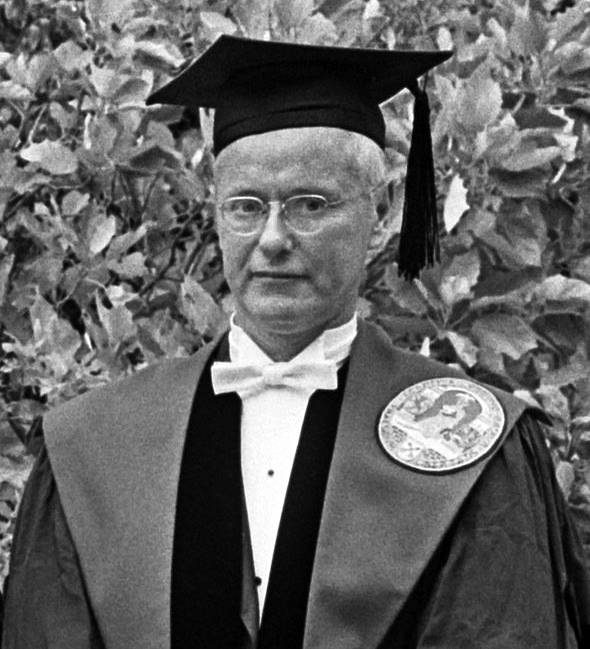
Robert K. Merton
Founding father of modern sociology and criminology.

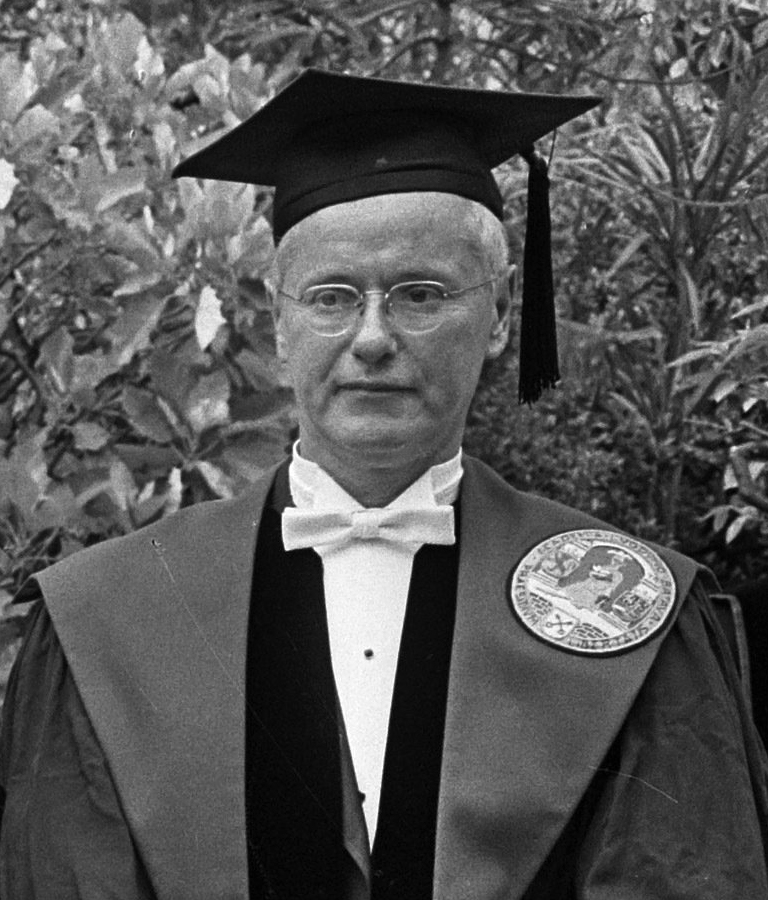
William Francis Prideaux · Public domain
Robert King Merton (born Meyer Robert Schkolnick; July 4, 1910 – February 23, 2003) was an American sociologist who is considered a founding father of modern sociology, and a major contributor to the subfield of criminology. He served as the 47th president of the American Sociological Association. He spent most of his career teaching at Columbia University, where he attained the rank of University Professor. In 1994 he was awarded the National Medal of Science for his contributions to the field and for having founded the sociology of science.
- born
- July 4, 1910, Philadelphia, Pennsylvania, USA
- died
- February 23, 2003, Manhattan, New York, USA
- field
- Sociology
- nationality
- American
- known_for
- Self-fulfilling prophecy, role model, reference group, role strain, unintended c
Verified Timeline
Lore & Background
Robert K. Merton was born on July 4, 1910, in Philadelphia as Meyer Robert Schkolnick into a family of Yiddish-speaking Russian Jews who had immigrated to the United States in 1904. His father, a tailor, lost his uninsured dairy-product shop in a fire, leaving the family in strained financial circumstances. Despite growing up fairly poor, Merton believed he had been afforded many opportunities, and as a student at South Philadelphia High School he frequently visited cultural venues like the Andrew Carnegie Library and the Academy of Music. He adopted the name Robert K. Merton initially as a stage name for his magic performances, inspired by the French magician Jean-Eugène Robert-Houdin. He kept the name upon receiving a scholarship to Temple University. Merton began his sociological career under George E. Simpson at Temple University (1927–1931), then studied at Harvard under Pitrim A. Sorokin, earning an MA and PhD in sociology by 1936. His dissertation committee included Sorokin, Talcott Parsons, historian George Sarton, and biochemist Lawrence Joseph Henderson. His thesis proposed a positive correlation between the rise of Protestant pietism, Puritanism, and early experimental science, which helped create the sociology of science. He taught at Harvard until 1938, then became professor and chairman at Tulane University, and in 1941 joined Columbia University, where he spent five decades. At Columbia he held titles including Giddings Professor of Sociology (1963), University Professor (1974), and Special Service Professor upon retirement in 1979. Columbia established the Robert K. Merton Professorship in the Social Sciences in 1990. In 1934 Merton married Suzanne Carhart, with whom he had a son, Robert C. Merton (winner of the 1997 Nobel Prize in economics), and two daughters. They separated in 1968; she died in 1992. In 1993 he married fellow sociologist Harriet Zuckerman, who had been his companion since the late sixties. After years of failing health and battling six forms of cancer, Merton died in Manhattan on February 23, 2003, aged 92.
Reader's Guide
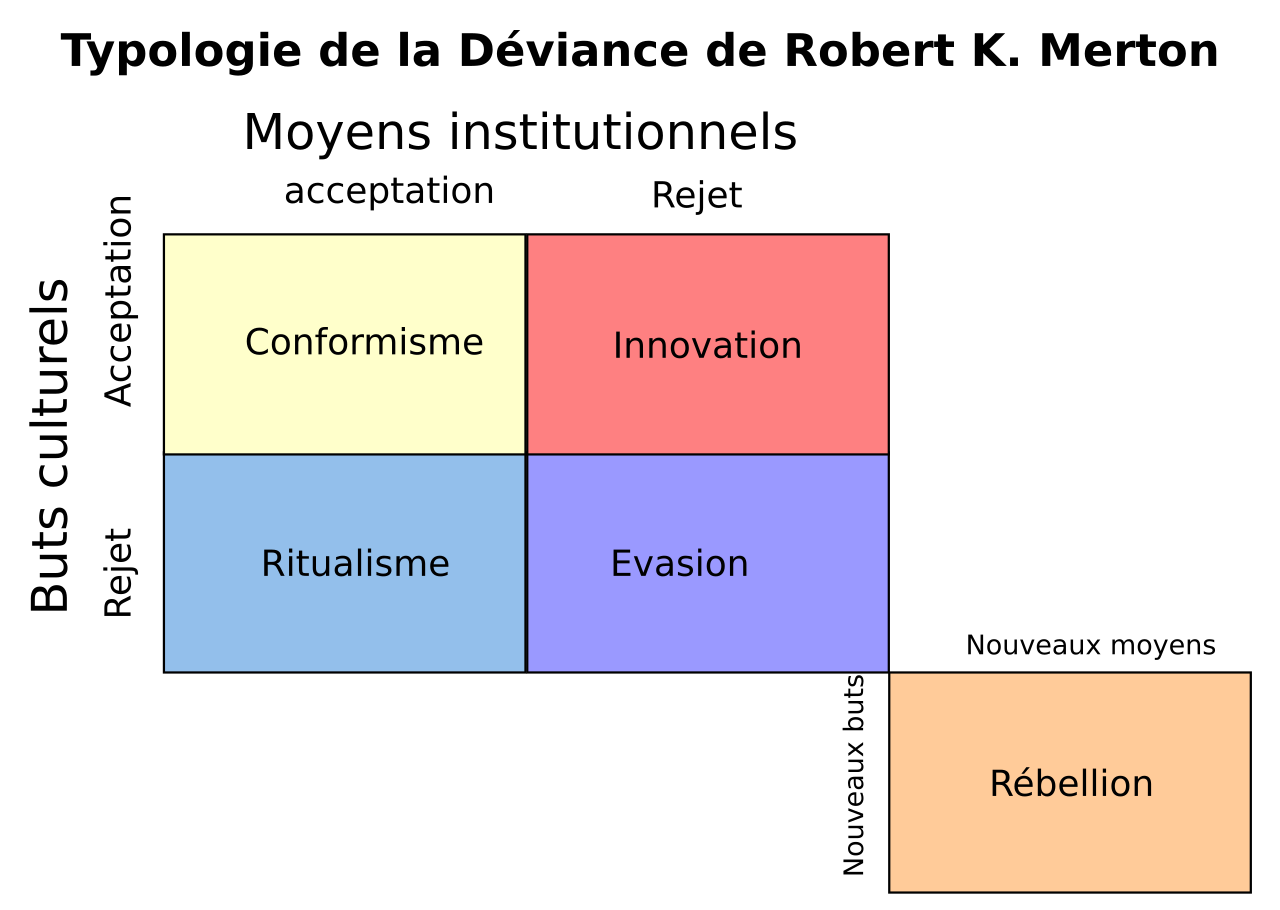
Merton's contribution to sociology falls into three areas: sociology of science, sociology of crime and deviance, and sociological theory. He popularized concepts such as 'unintended consequences,' 'reference group,' 'role strain,' 'role model,' and 'self-fulfilling prophecy.' The self-fulfilling prophecy, as Merton defined it, is 'in the beginning, a false definition of the situation evoking a new behavior, which makes the originally false conception come true.' His term 'role model' first appeared in a study on the socialization of medical students at Columbia University, growing from the concept of the reference group. Merton emphasized that rather than a person assuming just one role and one status, they have a status set with a whole set of expected behaviors. Merton's work is often compared to Talcott Parsons, but unlike Parsons, Merton preferred more limited, middle-range theories. He believed middle-range theory starts with clearly defined aspects of social phenomena, rather than broad abstract entities, and should be firmly supported by empirical data. His first major study, Science, Technology, and Society in Seventeenth-Century England (1938), helped create the sociology of science. Upon moving to Columbia in 1941, Merton joined Paul Lazarsfeld, who was introducing quantitative methods into empirical research. Merton sought to develop a theoretical approach that would turn the results from systematic data into sociology. In 1994 he was awarded the National Medal of Science for his contributions and for having founded the sociology of science.
Did You Know?
- Merton originally adopted the name Robert K. Merton as a stage name for his magic performances, inspired by the French magician Jean-Eugène Robert-Houdin.
- His son, Robert C. Merton, won the 1997 Nobel Prize in economics.
- Merton's dissertation committee included Talcott Parsons, historian George Sarton, and biochemist Lawrence Joseph Henderson.
- He battled six forms of cancer before his death at age 92.
- Columbia University established the Robert K. Merton Professorship in the Social Sciences in 1990.
Early Life and the Name Merton
His mother Ida Rasovskaya was a socialist with freethinking radical sympathies; his father Aaron, registered at the port of entry as "Harrie Skolnick," worked as a tailor. After his father's uninsured dairy-product shop in South Philadelphia burned down, the family endured strained financial circumstances, and his father took work as a carpenter's assistant. Despite poverty, young Merton frequented the Andrew Carnegie Library, the Academy of Music, the Central Library, and the Museum of Arts. In 1994 he reflected that South Philadelphia gave its young people every form of capital—social, cultural, human, and public—except the financial kind. He adopted "Robert K. Merton" as a stage name for magic performances, an interest sparked by his sister's boyfriend. He initially chose "Merlin" but settled on "Merton" to Americanize his family name, and picked "Robert" in honor of Jean-Eugène Robert-Houdin, widely regarded as the father of modern-style conjuring. He kept the name upon receiving a scholarship to Temple University.
Academic Formation and the Birth of the Sociology of Science
Merton began his sociological training under George E. Simpson at Temple University from 1927 to 1931, serving as a research assistant on a project examining race and media. Through Simpson, he attended an American Sociological Association annual meeting where he met Pitrim A. Sorokin, the founding chair of Harvard's sociology department. Merton then joined Harvard as Sorokin's research assistant from 1931 to 1936, and by 1934 he was publishing articles on topics ranging from French sociology to industrial invention and military technique. He earned both his MA and PhD in sociology from Harvard in 1936. His dissertation committee included Sorokin, Talcott Parsons, the historian George Sarton, and the biochemist Lawrence Joseph Henderson. His first major study, Science, Technology, and Society in Seventeenth-Century England, published by the end of his student career in 1938, helped create the sociology of science. Drawing a parallel to Max Weber's famous claim linking the Protestant work ethic to the capitalist economy, Merton proposed a positive correlation between the rise of Protestant pietism, Puritanism, and early experimental science.
Defining Concepts and Intellectual Legacy
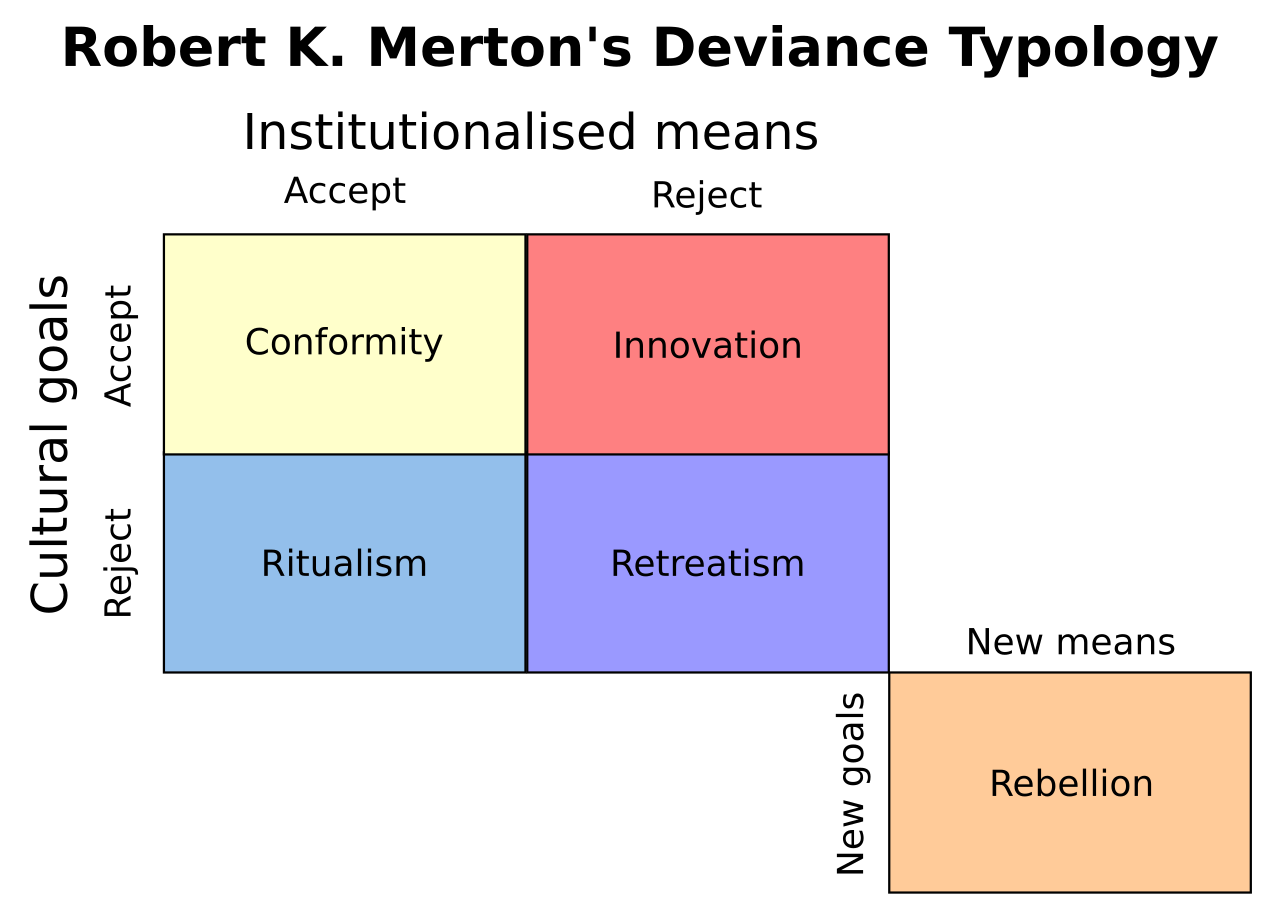
Merton's contributions spanned three broad domains: the sociology of science, the sociology of crime and deviance, and sociological theory. He popularized several concepts that became foundational vocabulary across disciplines. The "reference group"—a group to which individuals compare themselves without necessarily belonging—grew into the idea of the "role model," a term first appearing in a Columbia University study of medical student socialization. Merton also emphasized "role strain," the tension arising when a person holds a status set with multiple attached expected behaviors rather than a single role. Perhaps his most influential idea is the "self-fulfilling prophecy," which he defined as a false initial definition of a situation that evokes new behavior, thereby making the originally false conception come true. This concept became a central element in modern sociological, political, and economic theory. He also popularized the notion of "unintended consequences." Merton served as the 47th president of the American Sociological Association and was awarded the National Medal of Science in 1994 for his contributions to the field and for founding the sociology of science.
Personal Life and Final Years
Merton married Suzanne Carhart in 1934. Together they had three children: a son, Robert C. Merton, who would go on to win the 1997 Nobel Prize in Economics; and two daughters, Stephanie Merton Tombrello and Vanessa Merton, a professor of law at Pace University School of Law. The couple separated in 1968, and Suzanne died in 1992. Merton had been a companion of fellow sociologist and collaborator Harriet Zuckerman since the late 1960s; they married in 1993. After a prolonged period of failing health during which he battled six forms of cancer, Merton died in Manhattan on February 23, 2003, at the age of 92. He was survived by his wife, three children, nine grandchildren, and nine great-grandchildren. His career at Columbia University spanned five decades, during which he attained the rank of University Professor and served as associate director of the Bureau of Applied Social Research from 1942 to 1971.
Gallery

More in Political And Social Theorists 25-33
Elsewhere in the Political And Social Theorists universe
Spotted an error? Know more?
This is a living reference — every entry is fact-audited, and reader corrections feed straight into our audit queue. Suggest an edit · See this site's audit record